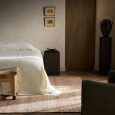
Scandinavian interiors usually get introduced with the same greatest hits: pale wood, clean lines, white walls, and the kind of calm that makes your blood pressure politely lower itself. Lovely? Yes. Predictable? Also yes. That is exactly why the darker, moodier cousin of the style feels so exciting right now. Nordic noir lighting takes the familiar Scandinavian playbook and gives it a dramatic twist. The result is less “sunny design catalog” and more “beautiful apartment where someone definitely owns excellent wool throws and reads crime novels under a perfect lamp.”
Lightology has leaned into that tension with a look it calls Nordic Noir: Scandinavian simplicity reworked through darker finishes, richer contrast, and a warmer, more cinematic atmosphere. Think matte black instead of bright chrome. Think smoked glass instead of crystal sparkle. Think charred wood, soft amber glow, shadow play, and lighting that feels intimate rather than overexposed. It is still Scandinavian at heart, but now it has a little mystery in its eyes.
This is what makes the look so compelling. Nordic noir is not about making a room gloomy for the sake of drama. It is about creating depth. It softens the starkness that can make minimal spaces feel chilly, and it adds enough visual gravity to keep a pared-down room from looking unfinished. In other words, it is proof that minimalism can have a pulse.
What Nordic Noir Means in Lighting Terms
At its core, Nordic noir lighting is built on contrast. Scandinavian design has always valued functionality, natural materials, and a strong relationship with light. But instead of chasing brightness at all costs, this moodier version uses darkness strategically. Black metal, dark-stained wood, charcoal textiles, and smoky finishes create a cocoon effect. The light then becomes more noticeable, more flattering, and far more intentional.
The palette does half the work
A big part of the style comes from material choices. Matte black fixtures immediately make a room feel sharper and more architectural. Charred or deep walnut wood tones ground the space. Leather, wool, linen, alabaster, and smoked glass keep the palette from feeling flat. The goal is not “all dark, all the time.” The goal is tension: dark finishes paired with warm woods, pale plaster, natural stone, and soft fabric. Too much black, and your room starts auditioning to be a villain’s lair. Too little, and the whole look loses its nerve.
The glow matters more than the fixture count
Nordic noir works because the light itself is gentle. Warm bulbs, diffused shades, dimmable fixtures, and indirect illumination are the real stars. The room should feel lit, not interrogated. If a fixture blasts harsh light straight downward like it is questioning your alibi, it is probably wrong for the mood. Soft pools of light, layered sources, and flattering low-level illumination are what make the style feel luxurious rather than merely dark.
Why Lightology Fits the Mood So Well
Lightology’s approach makes sense here because its broader Scandinavian and layered-lighting guidance already aligns with the essentials of the style: simplicity, thoughtful illumination, sculptural forms, and balance. Its Nordic Noir edit pushes those ideas into moodier territory, favoring black finishes, darker woods, warm-dim LEDs, and a mix of pendants, sconces, and portable lamps that make a space feel designed instead of merely furnished.
That matters because Nordic noir is not a one-fixture trend. You do not nail it by buying one dramatic pendant and calling it character development. You get there through composition. Lightology’s mix of Scandinavian-minded brands and fixture categories makes the look easier to build in layers: a pendant for silhouette, a wall sconce for atmosphere, a table lamp for intimacy, and hidden or recessed light to quietly fill the room without flattening it.
In practice, that means choosing fixtures that do two jobs at once. They have to look sculptural when switched off, and they have to create atmosphere when switched on. The best Nordic noir lighting always earns its keep in daylight and after sunset.
The Nordic Noir Formula: Layered, Warm, and Slightly Mysterious
1. Start with ambient light, but keep it soft
Every room needs general illumination, but Nordic noir rejects the dreaded “big light does everything” strategy. Ambient light should set the stage rather than dominate it. Recessed lighting, discreet architectural lighting, or a softly diffused overhead fixture works best. The point is to establish a baseline glow that feels comfortable and glare-free.
2. Add task lighting where life actually happens
Reading chairs, bedside tables, desks, kitchen counters, and vanity areas all need more focused light. This is where swing-arm sconces, directional floor lamps, under-cabinet lighting, and compact table lamps earn their reputation. In a Nordic noir room, task lighting should feel useful without looking clinical. Clean shapes, dark finishes, and warm bulbs keep the function from ruining the mood.
3. Use accent light to create drama
Accent light is what separates a nice room from a room that makes guests pause mid-sentence and say, “Okay, wow.” Picture lights, wall washers, recessed highlights, and strategically placed sconces can emphasize texture, art, shelving, or architectural lines. This is especially effective in a darker scheme because light catches surfaces more dramatically. Wood grain looks richer. Linen looks softer. Stone looks expensive, even when your budget is more “smart choices” than “private island.”
4. Keep the color temperature warm
For the mood to land, warm light is essential. In living rooms and bedrooms, bulbs in the warm white range generally feel best, especially around 2700K to 3000K. That warmth makes dark finishes feel enveloping rather than severe. Cooler light can still be useful for detail-heavy tasks, but it should be used sparingly and intentionally. The room should feel like evening in a boutique hotel, not aisle seven of a warehouse store.
5. Put dimmers on everything you reasonably can
Dimmers are basically the secret handshake of good lighting design. They let one room perform multiple roles: bright enough for work, soft enough for dinner, low enough for winding down. Nordic noir depends on that flexibility because the look is all about atmosphere changing over the course of the day.
How to Bring the Look Into Different Rooms
Living room: where the mood earns its paycheck
This is the ideal room for Nordic noir lighting because living rooms benefit from layers. Start with soft ambient illumination, then add table lamps and floor lamps at eye level to make the room feel warmer and more flattering. A matte-black or smoked-glass pendant can provide a focal point, but it should not be the room’s only source of light. Add candles, low-watt accent lamps, or a pair of wall sconces to keep the room from feeling top-heavy.
Dark walls can work beautifully here, especially when paired with indirect lighting and warmer furniture finishes. Light wood, caramel leather, textured wool, and stone surfaces help the space feel grounded rather than cave-like. The best Nordic noir living rooms are moody, yes, but still hospitable. Nobody should feel like they need a flashlight to find the sofa.
Bedroom: the easiest win
If you want to test-drive the aesthetic, the bedroom is your safest bet. It already benefits from lower light, soft materials, and a sense of retreat. Swap bright bedside lamps for dimmable sconces or warm portable lamps. Choose shades that diffuse the light instead of exposing the bulb. Mix dark metal with soft bedding, pale plaster, or natural oak to keep the room balanced.
Bedside sconces are especially effective because they save space, sharpen the architecture around the bed, and provide just enough light for reading without flooding the room. Add a low-level accent glow near a dresser or corner chair, and suddenly your bedroom feels less “place where laundry goes to negotiate” and more “stylish hideaway with suspiciously good taste.”
Kitchen and dining: cleaner lines, richer atmosphere
Nordic noir can be stunning in kitchens and dining areas because it brings warmth to hard-working surfaces. Over an island, use pendants with dark finishes or soft opal diffusers to add sculptural weight. Under-cabinet lighting is essential for function, but keep the overall tone warm enough to prevent the space from feeling sterile. In dining rooms, a dark, minimal chandelier hung at the right height creates instant intimacy.
Dining is where the style really shines. Good Nordic noir lighting makes dinner feel like an event even if the menu is glorified toast. A dimmable fixture above the table, paired with sideboard lamps or discreet wall lighting, creates the layered glow that turns everyday meals into something a little more memorable.
Entry, hallway, and bath: small spaces, big payoff
Do not waste your mood on only the main rooms. Hallways, powder rooms, and entries are perfect places for a stronger Nordic noir gesture because they require less material and less courage. A dark sconce, a smoked-glass flush mount, or slim architectural lighting can turn a pass-through zone into a moment.
In bathrooms, the trick is balancing atmosphere with practicality. Layer vanity lighting with a pendant or decorative fixture, and keep the light flattering. Nobody wants moody lighting that also makes shaving feel like a trust exercise.
Fixtures That Best Capture the Look
Pendants with presence
A Nordic noir pendant should feel sculptural but not fussy. Rounded silhouettes, deep finishes, and materials like metal, glass, or wood veneer work particularly well. It should look calm, not flashy. The drama comes from shape and contrast, not from looking like it escaped a ballroom.
Wall sconces that create atmosphere
Sconces are one of the smartest ways to build this mood because they provide low, localized light and help walls feel intentional. They are especially useful beside beds, in hallways, flanking mirrors, or framing artwork. A good sconce in a dark room is like a great supporting actor: not always the loudest presence, but absolutely critical to the final effect.
Portable lamps that soften everything
Table lamps and floor lamps make Nordic noir feel human. They bring light down to eye level, which is more flattering and more comfortable than relying on overhead fixtures alone. Fabric shades, mushroom forms, leather-wrapped details, aged brass, dark ceramics, and warm LEDs all fit naturally here.
Recessed and architectural lighting used with restraint
Recessed lighting has a place, but the goal is not to grid the ceiling into submission. Use it to fill gaps, highlight features, or create indirect washes of light. Done properly, it supports the mood without announcing itself. Done badly, it turns your carefully crafted Nordic mystery into an office renovation.
Common Mistakes That Ruin the Effect
The first mistake is over-lighting the room. Nordic noir depends on contrast, so if every corner is equally bright, the look disappears. The second mistake is choosing bulbs that are too cool. Blue-ish light can make even beautiful materials feel flat and unforgiving. The third mistake is using dark finishes without enough warmth elsewhere. If you bring in black metal, charcoal paint, and smoked glass, you also need wood, fabric, leather, or stone to keep the room emotionally alive.
Another frequent mistake is relying on a single statement fixture. One chandelier cannot do the work of an entire lighting plan. It can be gorgeous, but it still needs supporting players. Lastly, do not underestimate placement. A fixture that is technically stylish but hung too high, too low, or in the wrong zone will sabotage the room faster than an ugly bulb ever could.
What It Feels Like to Live With Nordic Noir Lighting
Here is the real magic of this style: it changes the emotional temperature of a home. You notice it most in the evening, when daylight drops off and the room starts to gather itself around its own light sources. A dark pendant over the dining table becomes a kind of horizon line. A lamp on a side table turns one chair into the obvious place to sit. A wall sconce makes the plaster look softer, the art look more expensive, and the room feel a little quieter without anyone saying a word.
That experience is why Nordic noir lands so well in real homes. It does not ask you to live inside a museum of perfect Scandinavian restraint. It asks you to edit the room until everything feels intentional, then let lighting do the emotional heavy lifting. The shadows are part of the design. The warm glow is part of the architecture. Even everyday rituals start to feel more considered. Making tea feels cinematic. Reading before bed feels restorative. Walking into the kitchen for leftovers feels unexpectedly elegant, which is a lovely trick for cold pizza.
There is also something deeply practical about it. Because the look relies on layers rather than one overpowered source, the room becomes more adaptable. You can brighten the kitchen task lights to cook, dim the dining pendant for guests, leave a single lamp on in the living room for a softer close to the evening, and still keep the whole house visually connected. The style looks dramatic, but the lifestyle is easy. That is classic Scandinavian thinking under the darker styling: beauty should still work.
And then there is the comfort factor. Nordic noir is moody, but it is not cold. A room with dark metals, warm light, wood grain, and soft fabric feels protective in the best way. It lets you exhale. It does not push itself at you. It quietly persuades you to stay longer. The atmosphere encourages slower routines, better conversations, and a little more appreciation for the objects you actually use every day.
That may be the smartest thing about Lightology’s version of the trend. It frames darkness not as severity, but as depth. It shows that Scandinavian design does not have to be pale to feel calm, and that a minimalist room does not need to be bright white to feel open. Sometimes the most welcoming spaces are the ones that know how to hold a shadow. They let the light arrive in smaller, softer doses. They understand that glow is more powerful when it has something to push against.
So if your home already leans modern, minimal, or Scandinavian and still feels like it is missing a heartbeat, Nordic noir may be the fix. Add a darker finish. Lower the light. Bring in a lamp that glows instead of glares. Trade the all-on ceiling plan for layers that actually flatter the room. Suddenly the space feels less generic, more grounded, and much more memorable. It is still clean. It is still functional. It is still unmistakably Nordic. It just has better stories to tell after sunset.
Conclusion
A Shade Darker is not just a catchy phrase for a lighting mood; it is a smart design direction for anyone who loves Scandinavian style but wants more atmosphere, contrast, and personality. Lightology’s Nordic noir approach proves that dark finishes and warm illumination can coexist beautifully with the core values of Nordic design: simplicity, comfort, craftsmanship, and function. The trick is layering light thoughtfully, choosing warmer color temperatures, mixing dark elements with natural textures, and letting each fixture contribute to the room’s overall rhythm.
In the end, Nordic noir lighting works because it understands something many rooms forget: brightness is not the same thing as warmth. A well-lit home does not need to feel overexposed. Sometimes the most inviting spaces are the ones that glow a little lower, breathe a little deeper, and look best just after sunset.
Note: This article is based on real design and lighting guidance and has been cleaned for web publication without extra citation artifacts.