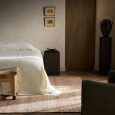
For a long time, home design felt like it was trapped in a beige group chat. White walls, pale wood, safe shapes, and furniture so anonymous it looked like it had signed an NDA. But in 2026, designers are happily raiding the attic, the antique mall, and possibly their stylish grandmother’s sunroom. The result is a big, warm, slightly dramatic design comeback story.
What is returning now is not a copy-and-paste version of the past. That would be a decorating disaster with tassels. Instead, designers are reviving older looks in smarter ways: darker woods with cleaner silhouettes, skirted pieces with crisp tailoring, café curtains that feel charming instead of fussy, and chrome that suddenly looks less spaceship and more sophisticated.
In other words, the trends coming back in 2026 are all about personality. They feel layered, collected, and lived-in. They reject the idea that every room should look like a freshly staged short-term rental. Below are eight design trends that designers say are officially back, plus how to use them without turning your home into a time capsule.
Why comeback trends feel right for 2026
The biggest shift in interior design right now is emotional, not just visual. People want homes with character. They want depth, story, and texture. They want rooms that feel comforting at 7 a.m., inviting at 7 p.m., and still interesting six months later. That helps explain why so many older ideas are returning.
Vintage references also solve a modern problem: sameness. When every algorithm serves the same boucle chair and the same vaguely oat-colored room, anything with a sense of history starts to feel rebellious. A carved wood chest, a pleated lamp shade, or a wall full of botanicals can do more for a room than another “minimal” side table ever could.
1. Brown furniture and dark woods are back from design exile
Yes, the heavy wood pieces people spent years trying to paint white are suddenly cool again. Brown furniture is one of the clearest signs that 2026 is embracing warmth over sterility. Rich walnut, mahogany, smoked oak, and vintage case pieces are showing up in homes that want to feel grounded and grown-up.
The reason this comeback works now is context. Designers are not recreating a dark, overly formal room with matching sets and a side of gloom. Instead, they are using one or two brown pieces to anchor a space. Think an antique chest in a creamy bedroom, a dark wood pedestal table in a bright breakfast nook, or a walnut sideboard paired with modern art and soft plaster walls.
How to use it now
Look for pieces with beautiful hardware, carvings, or interesting lines. Let wood tones mix rather than match perfectly. A room with dark wood feels freshest when it also includes lighter fabrics, natural stone, woven textures, or contemporary lighting. The goal is contrast, not a reenactment of a law office from 1987.
2. Skirted furniture is no longer your grandmother’s secret
Skirted furniture has reentered the chat, and honestly, it looks fabulous. Designers are embracing skirted sofas, side tables, sinks, benches, and vanities because they soften a room instantly. A tailored skirt adds movement, texture, and a little old-school elegance without demanding a full traditional makeover.
This trend is especially appealing because it hides a multitude of sins. Awkward table legs? Hidden. Random storage baskets? Concealed. A vanity that needs to look prettier than it actually is? Problem solved. It is a practical trend dressed as a pretty one, which is a very clever combination.
How to use it now
Choose crisp linen, subtle stripes, block prints, or understated florals. Keep the silhouette tailored rather than frilly unless your personal style truly loves a dramatic swoop. A skirted console in an entry, a sink skirt in a powder room, or a skirted bench in a bedroom can add softness without overwhelming the space.
3. Café curtains are making windows charming again
For years, window treatments swung between two extremes: bare windows or full-length drapery with enough fabric to qualify as outerwear. In 2026, café curtains are back as the sweet spot in between. These half-height curtains bring privacy, filter light beautifully, and add just enough nostalgia to make a room feel personal.
Designers love them because they are functional, affordable, and unexpectedly versatile. In kitchens, they soften hard finishes like tile, stone, and painted cabinets. In bathrooms, they add privacy without blocking daylight. In breakfast rooms, they make the whole space feel like it might serve croissants, even if it mostly serves cereal.
How to use it now
Stick with light fabrics such as cotton or linen. Small checks, stripes, floral sprigs, and understated prints all work well. Pair them with simple rods and let the rest of the room stay edited. Café curtains do best when they whisper charm instead of yelling “theme.”
4. Statement ceilings are finally getting the attention they deserve
Designers have officially stopped pretending the ceiling is just a boring white lid. In 2026, the so-called fifth wall is getting color, wallpaper, texture, and pattern. This comeback makes perfect sense: if people want more immersive and expressive rooms, the ceiling is prime real estate.
A wallpapered or painted ceiling can add drama without eating up floor space. It can make a dining room feel intimate, a bedroom feel cocooning, or a powder room feel delightfully over-the-top in the best way. It is also a smarter move than the once-ubiquitous accent wall, which is beginning to feel a little tired.
How to use it now
Small rooms are ideal testing grounds. Try a moody blue ceiling in a study, a floral print above a guest bed, or a warm lacquer-like tone in a dining room. If wallpaper feels too bold, color drenching the walls, trim, and ceiling in one shade can create a rich, enveloping effect without visual clutter.
5. Chrome and silver are shining again
After years of warm brass dominating everything from cabinet pulls to lamp bases, cooler metals are having a stylish revival. Chrome and silver are back, but they look far more refined than the sterile versions people may remember from decades past. In 2026, these finishes are being used as crisp, reflective accents that balance the warmth of wood, linen, plaster, and saturated color.
That is what makes this comeback feel modern instead of gimmicky. A chrome lamp on a dark wood desk, polished silver frames in a cozy living room, or sleek metal hardware in a richly colored kitchen can make the room feel sharper and more layered. It is a little bit retro, a little bit Art Deco, and a lot more versatile than people expected.
How to use it now
Use chrome in small, intentional doses. Lighting, table legs, picture frames, and decorative trays are easy entry points. Let it play against warm materials so it feels balanced. Too much chrome can still veer into sci-fi waiting room territory, which is not the dream.
6. Glass block is back, and somehow it looks chic now
Glass block may be one of the most surprising design returns of 2026. Once associated with dated bathrooms and questionable renovation choices, it is being reintroduced in cleaner, more architectural ways. Designers are using it for partitions, shower walls, room dividers, bars, and even subtle accent details.
The appeal is easy to understand. Glass block lets light pass through while still giving privacy and structure. In homes where open layouts can feel too exposed, it creates definition without building a heavy wall. It also adds a faintly retro glow that feels playful, not precious.
How to use it now
Think small and strategic. A glass-block partition between a kitchen and dining nook, a partial divider in an entry, or a shower wall in a modern bath can all work beautifully. Pair it with natural stone, matte finishes, wood, or plaster so the material feels elevated rather than novelty-driven.
7. Curved and sculptural furniture is softening every room
Boxy furniture had a long run, but the mood in 2026 is friendlier. Designers are leaning into curved sofas, rounded coffee tables, arched doorways, slipper chairs, and sculptural consoles because they make rooms feel warmer and more inviting. A curve can do what a whole color scheme sometimes cannot: take the edge off.
This trend has roots in earlier decades, especially midcentury and 1970s interiors, but its return feels especially relevant now. As homes become more layered and more personal, harsh geometry feels less appealing. Softer silhouettes invite conversation and movement. They also photograph well, which never hurts in a world where everyone’s living room may accidentally end up online.
How to use it now
You do not need to replace everything with rounded pieces. One curved sofa, an oval pedestal table, or an arched mirror can shift the whole tone of a room. Let sculptural furniture act like punctuation. Use enough to make a statement, but not so much that your house starts looking like a marshmallow convention.
8. Heritage prints, botanicals, and storied patterns are officially cool again
Minimal walls are giving way to rooms with soul, and that means older patterns are coming back in a big way. Designers are reaching for botanical prints, vintage landscapes, chintz, block prints, hand-loomed stripes, antique-inspired florals, and other fabrics or artworks that feel collected over time.
This trend works because it tells a story. A framed bird study in a sleek black frame, a floral drapery panel in a modern bedroom, or a set of vintage landscapes over a clean-lined console creates tension in the best possible way. The room feels lived-in, not assembled in one panicked shopping trip.
How to use it now
Start with one pattern family and build slowly. Mix scales instead of matching everything exactly. A stripe can ground a floral; a botanical can freshen up a dark wall; a landscape painting can make a modern room feel less severe. The key is editing. Collected does not mean cluttered, and nostalgic does not mean dusty.
Final thoughts: 2026’s best design trend is confidence
What ties all of these comeback trends together is not a specific decade. It is attitude. Designers are moving away from rooms that feel generic and toward spaces with memory, texture, patina, and point of view. That does not mean every home needs café curtains, chrome lamps, dark wood paneling, and a flock of botanical prints all at once. Please pace yourself.
Instead, the smartest way to approach 2026 design trends is to choose the returning ideas that actually suit your home and your life. If your space needs warmth, bring in brown furniture. If it feels flat, treat the ceiling. If it needs softness, add a skirted piece or a curve. If it feels forgettable, hang the weird antique landscape you secretly love. Your home will thank you, and so will everyone tired of looking at another beige room with no hobbies.
Design experiences: what these comeback trends feel like in real homes
One reason these returning design trends are resonating so strongly in 2026 is that they do not just change how a room looks. They change how a room feels when you are actually living in it. That part matters. A trend can photograph beautifully and still be a nightmare at breakfast. The comeback trends winning right now tend to perform better in real life.
Take dark wood furniture, for example. In a real home, it adds a sense of permanence that lighter, trendier pieces often lack. A walnut dresser or antique sideboard makes a room feel settled, like the space has a backbone. Even if everything else in the room is simple, one weighty wood piece can make the home feel intentional. It is the decorating version of good posture.
Skirted furniture has a similar emotional effect. It softens the edges of daily life. A skirted sink in a powder room makes the space feel dressed up, even if the square footage is modest. A skirted bench at the end of a bed adds texture without shouting for attention. There is something comforting about these details. They do not beg to be admired, but they quietly make the room feel finished.
Café curtains are one of the clearest examples of a trend that improves the everyday experience of a home. In kitchens, they filter morning light in a way that feels calm and welcoming. In bathrooms, they create privacy without turning the room dark. They make a window feel cared for, which is a surprisingly powerful thing. A bare window can feel accidental. A café curtain feels considered.
Then there is the experience of living with a statement ceiling. At first, it sounds like a detail you would only notice when guests look up and say something flattering. But a good ceiling treatment changes the atmosphere all day long. A moody ceiling can make a bedroom feel cozy at night. A patterned one can make a breakfast nook feel cheerful on a rainy morning. It adds mood in a way that does not require extra furniture or clutter.
Chrome and silver accents also feel different in person than they do on a mood board. In a real room, they catch light beautifully. They bounce brightness around darker spaces and add a little energy to softer palettes. Against wood, linen, or velvet, they create tension that keeps a room from feeling too sleepy. The right shiny lamp or side table base can make the whole room feel a little more awake.
Curved furniture may be the most livable comeback of all. Rounded sofas, oval tables, and arched forms change the flow of a room. They help people move more easily, gather more naturally, and relax a bit faster. Hard corners can feel formal. Curves feel conversational. That is probably why so many of them are showing up in rooms meant for reading, talking, and loafing around on Sunday afternoons.
And finally, heritage prints and vintage art bring the kind of satisfaction that mass-produced decor rarely delivers. A botanical print, a thrifted landscape, or a striped textile with a handmade look gives a room personality that grows on you over time. These pieces tend to spark memory and conversation. They feel less like placeholders and more like evidence that someone interesting actually lives there.
That may be the real story behind the 2026 comeback trends. They are not just aesthetically back. They are emotionally useful. They make homes feel warmer, calmer, more personal, and a little less algorithmic. And frankly, after years of copy-paste interiors, that feels like a very welcome return.