A winter power outage has a special talent for turning a comfortable home into an oversized refrigerator. The furnace stops humming, the lights disappear, and suddenly everyone remembers exactly where cold air sneaks under the back door.
The good news is that staying warm does not always require a roaring fireplace or an expensive whole-house generator. Your first and most effective strategy is to preserve the heat already inside, concentrate everyone in a smaller area, warm people rather than empty rooms, and avoid improvised heating methods that can cause fires or carbon monoxide poisoning.
This guide explains practical emergency heat ideas, safe backup heating options, heat-conservation tricks, generator rules, frozen-pipe precautions, and the warning signs that mean it is time to leave for a heated location.
What to Do Immediately When the Power Goes Out
Do not begin by dragging every blanket, candle, camping stove, and extension cord into the living room like you are auditioning for a survival reality show. Take a few organized steps first.
Confirm the Scope of the Outage
Check whether neighboring homes and streetlights have also lost power. Report the outage to your utility and monitor its website, text alerts, local emergency notifications, or a battery-powered radio for restoration estimates.
Unplug sensitive electronics and major appliances to reduce the risk of damage from power surges when electricity returns. Leave one lamp switched on so you will know when the outage ends.
Preserve the Heat You Already Have
A house does not become cold the instant the furnace stops. Walls, furniture, flooring, and indoor air retain heat. Your job is to slow the escape.
- Keep exterior doors closed and limit trips outside.
- Close doors to unused bedrooms, bathrooms, and storage rooms.
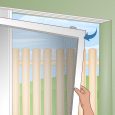
- Place rolled towels or draft stoppers along leaky door bottoms.
- Close fireplace dampers when the fireplace is not operating.
- Turn off kitchen and bathroom exhaust fans.
- Close curtains and blinds after sunset.
During sunny daytime hours, open curtains on windows receiving direct sunlight. Close them again before the sun goes down. The National Weather Service and U.S. Department of Energy recommend using curtains, closed rooms, and draft control to reduce heat loss during cold conditions.
Create One Warm Room
Trying to keep an entire house comfortable during a long outage wastes limited heat. Instead, select one room as your household’s temporary winter headquarters.
Choose the Best Location
A smaller room with few exterior walls and windows is generally easier to keep warm. A south-facing room may gain useful solar heat during the day, while an interior room may stay warmer overnight. Avoid rooms with obvious drafts, large glass doors, or high ceilings.
Move people, pets, sleeping bags, medications, drinking water, flashlights, phone chargers, and essential supplies into this space. Close the door or hang a heavy blanket across an open doorway, while keeping the fabric far away from fireplaces, heaters, candles, and electrical equipment.
Build a Safe Indoor Sleeping Zone
A small camping tent placed inside the warm room can create another layer of trapped air around sleeping occupants. A blanket fort can offer a similar effect, although this is not the evening to test whether your children can construct a fabric skyscraper.
Place sleeping bags or blankets over a foam camping pad, mattress, rug, or folded comforter. The floor can pull heat away from the body, so insulation underneath you matters almost as much as insulation on top.
Never place a tent, blanket enclosure, or hanging fabric near an open flame, fireplace, fuel-burning heater, or portable electric heater.
Warm People Before Warming the Building
Heating every cubic foot of air is difficult without electricity. Keeping four human beings warm is much more manageable.
Dress in Several Dry Layers
Wear loose, lightweight layers that trap warm air. A practical combination might include thermal underwear, a long-sleeved shirt, a sweater or fleece jacket, and a wind-resistant outer layer.
Add warm socks, slippers, a hat, and mittens. Mittens retain heat more effectively than gloves because the fingers share warmth. Change out of wet clothing immediately, even when changing clothes feels about as appealing as stepping into a walk-in freezer.
A reflective emergency blanket works best as an outer layer over clothing or regular blankets. It reflects radiant heat but provides little cushioning or insulation by itself. Keep it away from a person’s face and supervise children using one.
Use Body Heat Wisely
Household members can sit or sleep near one another while maintaining enough space to breathe comfortably. Keep babies in their own safe sleep spaces rather than placing them beneath loose adult bedding.
Pets also benefit from insulated bedding away from cold floors and drafts. Do not leave pets in unheated garages, porches, or vehicles.
Eat, Drink, and Stay Dry
Your body needs energy to produce heat. Eat regular meals and snacks, especially foods containing carbohydrates, protein, and fat. Drink water even when you do not feel thirsty.
Avoid relying on alcohol for warmth. Alcohol can create a warm sensation while encouraging heat loss and interfering with judgment. It may also make it harder to recognize developing hypothermia.
Safe Emergency Heating Options
Alternative heat sources must be used exactly as designed. The words “temporary emergency” do not grant ordinary appliances magical new abilities.
Properly Vented Fireplaces and Wood Stoves
A maintained fireplace or wood stove can provide emergency heat when it is properly vented and safe to operate. The chimney and flue should have been inspected and cleaned before the heating season.
- Open the damper completely before starting a fire.
- Use dry, seasoned firewood.
- Never burn plastic, painted wood, treated lumber, or household trash.
- Use a sturdy fireplace screen.
- Keep furniture, bedding, rugs, clothing, and firewood at least three feet away.
- Never leave the fire unattended.
- Allow ashes to cool before placing them in a covered metal container outdoors.
Do not use a fireplace with a blocked, damaged, or uninspected chimney simply because the house is getting chilly. Smoke, chimney fires, and carbon monoxide are considerably worse roommates than cold air. NFPA and EPA guidance emphasizes proper venting, a three-foot safety zone, seasoned wood, and keeping combustible materials away from heating equipment.
Portable Electric Heaters With Backup Power
An electric space heater may be usable with a professionally installed standby generator or another backup system capable of safely supporting its electrical load. Space heaters commonly draw substantial power, so a small portable power station may run one for only a short period or may not support it at all.
Check the heater’s wattage and the backup system’s continuous-output rating. Plug the heater directly into an appropriate outlet whenever possible. Do not use a power strip, lightweight extension cord, damaged cord, or overloaded circuit.
Keep the heater on a stable, level surface at least three feet from anything that can burn. Turn it off before sleeping or leaving the room. Never drape clothing, gloves, or socks over it, regardless of how urgently someone wants dry socks.
Electric Blankets and Heated Throws
When backup electricity is limited, an electric blanket or heated throw may be more practical than a space heater because it warms the person instead of the entire room and generally uses less power.
Use only a blanket in good condition with no exposed wires, scorch marks, or damaged controls. Confirm that its wattage is compatible with your power station or backup system. Do not fold it tightly while operating, place heavy objects on it, or use it with anyone unable to control or remove it independently.
Indoor-Rated Fuel-Burning Heaters
Some portable heaters are specifically manufactured and listed for limited indoor residential use. However, they still present combustion, ventilation, fire, and carbon monoxide risks. Local codes may also restrict their use.
Do not bring an outdoor propane patio heater, construction heater, camping heater, charcoal grill, or improvised burner indoors. Before using any fuel-burning portable heater, confirm that the manufacturer explicitly approves it for the intended indoor setting, follow every ventilation requirement, maintain clearances, and operate working carbon monoxide alarms.
The safest default during an unexpected outage is not to introduce unfamiliar fuel-burning equipment for the first time.
Heating Methods You Must Never Use
Cold weather encourages creative thinking. Unfortunately, some creative emergency heat ideas are really just carbon monoxide poisoning wearing a clever hat.
- Never heat the house with a gas range or oven.
- Never use a charcoal grill indoors or inside a garage.
- Never operate a camping stove inside the home.
- Never run a vehicle in an attached garage, even with the garage door open.
- Never use an outdoor propane heater indoors.
- Never burn fuel in an unvented homemade stove or metal container.
- Never rely on candles as a meaningful source of heat.
Carbon monoxide is colorless and odorless. Common symptoms include headache, dizziness, weakness, nausea, vomiting, chest pain, and confusion. A sleeping person may be overcome before noticing symptoms.
If a carbon monoxide alarm sounds or anyone develops possible symptoms, move everyone and all pets outdoors into fresh air, call 911, and do not reenter until emergency personnel say it is safe. CDC guidance specifically warns against using generators, grills, camp stoves, gas ovens, and other combustion devices in enclosed or partially enclosed spaces.
How to Use a Generator Safely
A portable generator can power selected appliances, but it must remain outdoors. A garage, basement, crawl space, shed, enclosed porch, or breezeway is not outdoors enough.
- Position the generator outdoors at least 20 feet from windows, doors, and vents.
- Point the exhaust away from your home and neighboring buildings.
- Keep the unit dry without enclosing it in a space that traps exhaust.
- Use heavy-duty outdoor-rated extension cords sized for the connected load.
- Inspect cords for cuts, exposed wires, and damaged plugs.
- Install battery-powered or battery-backup carbon monoxide alarms.
- Turn the generator off and let it cool before refueling.
- Store fuel outside living areas in approved containers.
Never connect a portable generator directly to a household outlet. This dangerous practice, known as backfeeding, can energize utility lines and injure workers or neighbors. Whole-house connections require a transfer switch installed by a qualified electrician.
Current CDC and CPSC recommendations call for keeping portable generators at least 20 feet from the home, with exhaust directed away from doors, windows, and vents. Opening a garage door does not provide adequate protection.
Prevent Fires During a Cold-Weather Outage
Use flashlights, headlamps, and battery-powered lanterns instead of candles. If candles are used despite the safer alternatives, place them in stable holders on noncombustible surfaces and extinguish them whenever you leave the room or go to sleep.
Test smoke and carbon monoxide alarms regularly. Keep spare batteries available, and place alarms on every level of the home and outside sleeping areas according to manufacturer instructions and local requirements.
Keep a multipurpose fire extinguisher accessible, but never delay evacuation to fight a growing fire. Get everyone outside and call 911.
Protect Water Pipes as the House Cools
Extended outages can allow plumbing in exterior walls, crawl spaces, basements, and unheated cabinets to freeze.
- Open sink cabinets so room air can circulate around plumbing.
- Keep garage doors closed when water lines run through the garage.
- Follow local utility advice about allowing vulnerable faucets to drip.
- Locate your main water shutoff before an emergency.
- Disconnect outdoor hoses before winter.
If the house may remain unheated for an extended period and you plan to leave, consider shutting off the water supply and draining vulnerable lines, provided you understand the system and can do so safely. Homes with boilers, fire-suppression systems, wells, and specialized plumbing may require professional guidance.
Never thaw a frozen pipe with a torch, charcoal, open flame, or unattended heater. If a pipe bursts, close the main water valve and contact a plumber.
Know When Staying Home Is No Longer Safe
There is no award for remaining in a dangerously cold house the longest. Relocate to a heated shelter, hotel, warming center, or the home of a friend or relative when you cannot maintain safe conditions.
Leave sooner when the household includes infants, older adults, people with limited mobility, or anyone with heart, lung, circulation, or other serious health concerns. People who use electrically powered medical equipment need a backup power and relocation plan before an outage occurs.
Warning Signs of Hypothermia
- Uncontrollable shivering
- Confusion or unusual behavior
- Slurred speech
- Clumsiness or poor coordination
- Extreme tiredness
- Slow breathing
- Shivering that suddenly stops despite continued cold exposure
A body temperature below 95 degrees Fahrenheit is a medical emergency. Call 911, move the person to a warm location, remove wet clothing, and wrap the person in dry layers while waiting for professional help. Do not use direct high heat, rub cold limbs, or give alcohol.
The American Red Cross advises relocating when a home becomes dangerously cold and avoiding generators, outdoor heaters, and outdoor stoves inside the home.
Build an Emergency Warmth Kit Before Winter
The best emergency heat plan is assembled while the furnace works and the hardware store still has inventory.
- Sleeping bags rated for your regional winter conditions
- Wool or synthetic blankets
- Thermal underwear, hats, mittens, and warm socks
- Foam sleeping pads or insulated mats
- Reflective emergency blankets
- Reusable or air-activated hand warmers
- Flashlights, headlamps, and battery lanterns
- Spare batteries and charged power banks
- A battery-powered weather radio
- Smoke and carbon monoxide alarms with backup batteries
- Nonperishable food, drinking water, and essential medications
- A thermometer for monitoring indoor temperature
- Draft stoppers and temporary window-insulation supplies
- A written utility, shelter, family, and emergency-contact list
Households in outage-prone areas may also benefit from a professionally installed standby generator, transfer switch, home battery system, or appropriately sized portable power station. Match the equipment to essential loads rather than assuming it can operate every appliance simultaneously.
Experience-Based Lessons From Realistic Outage Scenarios
The following composite scenarios reflect common lessons reported during winter outages. They are not descriptions of one specific household, but they demonstrate why simple planning often matters more than heroic improvisation.
Scenario One: The Drafty House That Became Manageable
In a two-story older home, the family initially spread out across three bedrooms and a living room. Within several hours, everyone felt cold, even though the house had not yet reached a dangerously low temperature. The problem was not merely the thermometer. Each person occupied a separate drafty space, and exterior doors kept opening as family members searched for supplies.
They changed tactics by selecting a small downstairs room away from the strongest wind. They closed upstairs doors, placed towels along drafty thresholds, covered a particularly leaky window after sunset, and moved sleeping bags onto a thick rug.
The room did not become tropical. Nobody began searching for sunscreen. However, body heat, insulated bedding, and reduced air leakage made the space noticeably more comfortable. The main lesson was that conserving existing warmth worked faster than searching the garage for a mysterious heater nobody remembered buying.
Scenario Two: The Apartment With No Fireplace
An apartment household had no fireplace, generator, or legal way to install a fuel-burning heater. Its useful tools were much less dramatic: warm clothes, blankets, a small tent, charged power banks, and a nearby relative whose building still had electricity.
The residents layered clothing early instead of waiting until they were already shivering. They put the tent in an interior bedroom, insulated the floor with a mattress, and kept phones on low-power mode. They also avoided opening the refrigerator repeatedly and monitored utility updates.
When restoration estimates extended into the following day and the indoor temperature continued falling, they relocated before road conditions worsened. That decision was especially important because one resident had a health condition affected by cold. The experience demonstrated that an evacuation plan is part of emergency heating. Sometimes the safest backup heater is located at another address.
Scenario Three: The Generator That Was Planned Correctly
A rural household purchased a generator before winter but did not treat it as a plug-and-play miracle box. An electrician installed a transfer switch, the owners learned which circuits could be powered, and they practiced starting the unit during calm weather.
When an ice storm caused an outage, the generator remained outdoors more than 20 feet from the home with its exhaust directed away from the building. The family powered essential equipment rather than attempting to run the water heater, oven, clothes dryer, television, and every light at once.
They kept working carbon monoxide alarms inside, checked extension cords, and shut the generator down before adding fuel. Because the setup had been planned, nobody was reading the instruction manual by flashlight while snow blew sideways.
The larger lesson was that backup equipment is only useful when people understand its limits. A safe operating procedure, correct placement, fuel storage plan, and realistic load calculation matter more than the generator’s impressive marketing photo.
Scenario Four: The Fireplace That Stayed Unused
One homeowner had a masonry fireplace but could not remember the last chimney inspection. During an outage, using it felt tempting. However, uncertainty about creosote buildup, venting, and the damper made the fireplace a poor emergency choice.
The household used layered clothing, sleeping bags, sunlight, closed rooms, and a heated neighbor’s home instead. After the storm, a chimney professional found maintenance issues that required attention.
Choosing not to use questionable heating equipment can feel overly cautious when the living room is cold. In reality, restraint may prevent smoke damage, chimney fires, and carbon monoxide exposure. Emergency preparedness includes knowing which equipment is safeand which equipment should remain decorative until inspected.
Final Thoughts
The safest emergency heat ideas begin with conservation, not combustion. Close unused rooms, block drafts, use sunlight strategically, create a smaller warm zone, dress in dry layers, and insulate sleeping areas from the floor.
Use fireplaces, wood stoves, generators, electric heaters, and other equipment only when they are designed, maintained, and positioned for safe operation. Never use a gas oven, grill, camping stove, outdoor heater, or vehicle to heat an indoor space.
Finally, recognize when the outage has outlasted your home’s ability to protect the people inside it. Leaving for a warming center or another heated building is not surrender. It is a successful emergency plan doing exactly what it was designed to do.