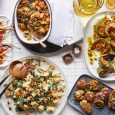
Starting South Beach Diet Phase 1 can feel like opening the refrigerator and discovering that every familiar carbohydrate has quietly packed a suitcase. Bread is gone. Fruit is taking a two-week vacation. The cereal box is suddenly decorative art. Fopower.
The classic first phase is a short, structured period built around lean protein, non-starchy vegetables, selected legumes, low-fat dairy, and unsaturated fats. Foods such as bread, rice, pasta, fruit, sugary drinks, desserts, starchy vegetables, and alcohol are generally set aside until later phases. The goal is not to declare carbohydrates evil. It is to interrupt a routine dominated by refined starches and added sugar, build more satisfying meals, and make the next phase easier to manage.
This guide provides a practical South Beach Diet Phase 1 grocery list, a seven-day meal-planning framework, preparation shortcuts, budget strategies, and realistic notes about what the first two weeks may feel like.
What Is South Beach Diet Phase 1?
Phase 1 is traditionally the most restrictive part of the South Beach Diet and usually lasts two weeks. It removes most grains, fruit, starchy vegetables, sweets, and alcohol while emphasizing foods that provide protein, fiber, and healthier fats. Unlike an all-bacon-all-the-time low-carb fantasy, the plan favors lean and minimally processed protein choices over fatty or heavily processed meats.
The short duration matters. Phase 1 is designed as a reset, not a permanent nutritional bunker. Later phases reintroduce nutritious carbohydrate foods such as fruit and whole grains in measured amounts. Long-term weight management still depends on a pattern that is balanced, enjoyable, affordable, and realistic enough to continue after the initial enthusiasm stops wearing a cape.
The Core Phase 1 Meal Formula
For most lunches and dinners, build the plate around three parts:
- A generous amount of non-starchy vegetables
- A satisfying portion of lean protein
- A modest amount of unsaturated fat or a portion-controlled legume, dairy, nut, or seed choice
This formula reduces decision fatigue. Instead of asking, “What am I allowed to eat?” five times a day, ask, “Which protein, which vegetables, and which flavorful fat am I combining?” That is a much calmer question, especially at 6:17 p.m. when everyone is hungry and the takeout app is making persuasive eye contact.
Essential South Beach Diet Phase 1 Grocery List
Lean Animal Proteins
- Skinless chicken breasts or thighs
- Lean ground turkey
- Turkey breast
- Lean cuts of beef, such as sirloin or tenderloin
- Pork tenderloin or trimmed loin chops
- Eggs and liquid egg whites
- Fresh or frozen fish, including salmon, cod, tilapia, trout, and tuna
- Shrimp, scallops, crab, and other unsweetened seafood
- Canned tuna, salmon, chicken, or sardines packed in water or olive oil
Choose unbreaded products and check marinades carefully. A package labeled “teriyaki chicken,” “honey turkey,” or “sweet chili salmon” may contain enough added sugar to turn a simple protein into dessert wearing a name tag.
Plant Proteins and Legumes
- Tofu and tempeh
- Unsweetened soy milk
- Black beans, kidney beans, chickpeas, and lentils
- Edamame
- Hummus with no added sugar
Beans and lentils supply protein and fiber, but they also contain more carbohydrate than leafy vegetables. Follow the serving guidance in your version of the plan rather than treating a mixing bowl of chickpeas as a light appetizer.
Non-Starchy Vegetables
- Spinach, kale, arugula, romaine, cabbage, and mixed greens
- Broccoli, cauliflower, Brussels sprouts, and asparagus
- Bell peppers, mushrooms, onions, celery, and cucumbers
- Zucchini, yellow squash, and eggplant
- Green beans and snow peas
- Tomatoes, radishes, artichokes, and okra
- Fresh herbs, scallions, garlic, and ginger
- Frozen vegetable blends without sauces
Vegetables are the volume department of Phase 1. Buy more than you think you need, especially quick-cooking options. Frozen broccoli, chopped spinach, cauliflower rice, and bagged salad can rescue a meal when your original cooking plan has emotionally resigned.
Low-Fat Dairy and Dairy Alternatives
- Plain nonfat or low-fat Greek yogurt
- Low-fat cottage cheese
- Part-skim ricotta
- Reduced-fat cheese in plan-appropriate portions
- Unsweetened soy milk or another approved unsweetened alternative
Flavored yogurt often contains added sugar, even when the container is decorated with athletic-looking berries. Choose plain products and add cinnamon, vanilla extract, cocoa powder, or a plan-approved sweetener if desired.
Healthy Fats, Nuts, and Seeds
- Extra-virgin olive oil
- Avocados
- Almonds, walnuts, pistachios, pecans, and peanuts
- Natural peanut or almond butter without added sugar
- Chia seeds, flaxseed, pumpkin seeds, and sunflower seeds
- Olives
These foods add flavor and help meals feel satisfying, but “healthy fat” is not a synonym for “bottomless.” Measure oil, nut butter, nuts, seeds, and dressings until you can recognize a reasonable portion without accidentally giving your salad the caloric density of a sofa.
Flavor Builders and Pantry Staples
- Vinegar, lemon juice, lime juice, and mustard
- Low-sodium broth
- No-sugar-added tomato sauce
- Salsa without added sugar
- Herbs and spices
- Unsweetened cocoa powder
- Hot sauce with minimal or no added sugar
- Low-sodium soy sauce or tamari
- Pickles and sauerkraut with no added sugar
Flavor is not optional. A meal plan built entirely from bland food is less a diet and more a minor administrative punishment. Acids, herbs, spices, garlic, mustard, and toasted seeds keep repetition from becoming rebellion.
Beverages
- Water and sparkling water
- Unsweetened coffee or tea
- Herbal tea
- Plan-approved low-calorie beverages in moderation
Skip fruit juice, regular soda, sweet tea, sugary coffee drinks, and alcohol during Phase 1. Water remains undefeated: inexpensive, widely available, and never once has it hidden corn syrup under an alias.
Foods Generally Avoided During Phase 1
- Bread, tortillas, crackers, cereal, rice, pasta, and oatmeal
- Fruit and fruit juice
- Potatoes, sweet potatoes, corn, and other starchy vegetables
- Candy, cookies, pastries, ice cream, and sweetened desserts
- Honey, maple syrup, table sugar, and sugar-sweetened sauces
- Beer, wine, cocktails, and other alcohol
- Sugary beverages and sweetened dairy products
- Breaded meats and fried foods with starchy coatings
Reading labels is essential because added sugar turns up in salad dressing, pasta sauce, deli meat, jerky, nut butter, broth, and condiments. Compare serving sizes, total carbohydrate, added sugars, sodium, and saturated fat. A “low-carb” label on the front of the package is marketing; the Nutrition Facts panel is where the adult conversation happens.
How to Plan Phase 1 Meals Without Overthinking Them
Choose Three Breakfasts
- Vegetable omelet with mushrooms, spinach, and reduced-fat cheese
- Plain Greek yogurt with chia seeds, cinnamon, and chopped walnuts
- Low-fat cottage cheese with sliced cucumber, tomato, pepper, and herbs
Choose Three Lunch Templates
- Large salad plus grilled chicken, tuna, tofu, or eggs
- Vegetable soup with lean protein and a small approved portion of beans
- Lettuce wraps filled with turkey, chicken, tofu, or tuna salad
Choose Four Dinners
- Sheet-pan fish with broccoli and zucchini
- Turkey meatballs with no-sugar-added tomato sauce and roasted eggplant
- Chicken stir-fry with mushrooms, peppers, cabbage, and cauliflower rice
- Tofu or shrimp curry served over sautéed greens or cauliflower rice
Plan Two Emergency Meals
Emergency meals prevent an inconvenient day from becoming an unplanned bread festival. Keep ingredients for tuna-stuffed avocado, eggs with frozen vegetables, rotisserie chicken with bagged salad, or tofu sautéed with a frozen stir-fry blend. Select rotisserie chicken carefully because some varieties contain sweet glazes or a great deal of sodium.
Sample 7-Day South Beach Diet Phase 1 Meal Plan
| Day | Breakfast | Lunch | Dinner | Snack Ideas |
|---|---|---|---|---|
| 1 | Spinach and mushroom omelet | Grilled chicken salad with olive-oil vinaigrette | Baked salmon, asparagus, and cauliflower mash | Celery with natural peanut butter; plain Greek yogurt |
| 2 | Cottage cheese with cucumber, tomato, and pepper | Tuna lettuce wraps with vegetable soup | Turkey meatballs, tomato sauce, and roasted zucchini | Hard-boiled egg; measured portion of almonds |
| 3 | Greek yogurt with chia, cinnamon, and walnuts | Tofu and cabbage bowl with sesame-lime dressing | Chicken stir-fry with peppers, mushrooms, and cauliflower rice | Bell pepper strips with hummus; reduced-fat cheese |
| 4 | Scrambled eggs with peppers and onions | Leftover chicken stir-fry over greens | Lean beef and broccoli with low-sodium tamari | Cottage cheese; cucumber slices with dip |
| 5 | Ricotta with cocoa, cinnamon, and approved sweetener | Egg salad in lettuce cups with tomato-cucumber salad | Shrimp, zucchini noodles, and garlic tomato sauce | Edamame; measured portion of pistachios |
| 6 | Vegetable frittata | Turkey-avocado salad bowl | Pork tenderloin with roasted Brussels sprouts and mushrooms | Plain Greek yogurt; celery with hummus |
| 7 | Cottage cheese bowl with herbs and chopped vegetables | Chicken vegetable soup with a plan-appropriate bean portion | Baked cod with green beans and lemony cabbage slaw | Hard-boiled egg; walnuts |
Adjust portions to hunger, health goals, body size, activity level, and the instructions in your chosen South Beach plan. Snacks are tools, not mandatory appointments. Eat them when they help control hunger or fit your plan rather than because a clock has filed paperwork.
A 60-Minute Phase 1 Meal-Prep Routine
- Start two proteins: Bake chicken and hard-boil eggs, or roast tofu while cooking turkey meatballs.
- Roast two trays of vegetables: Use broccoli, cauliflower, zucchini, peppers, mushrooms, or Brussels sprouts.
- Prepare raw vegetables: Wash greens and cut cucumbers, celery, peppers, and radishes.
- Mix one sauce: Combine olive oil, vinegar, mustard, herbs, and pepper for a simple vinaigrette.
- Portion snacks: Divide nuts, hummus, yogurt, cottage cheese, and chopped vegetables into grab-and-go servings.
- Label leftovers: A container marked “Tuesday lunch” is more useful than one marked “probably chicken.”
Cook components rather than seven complete meals. A tray of roasted vegetables can become a breakfast omelet filling, a salad topping, a dinner side, or the foundation of soup. This flexible approach reduces boredom and food waste.
Budget-Friendly Shopping Strategies
Phase 1 does not need to require boutique salmon and artisanal almonds delivered by a wellness falcon. Use eggs, canned tuna, frozen fish, tofu, beans in approved portions, chicken thighs with the skin removed, store-brand Greek yogurt, frozen vegetables, cabbage, and seasonal produce.
Plan meals around overlapping ingredients. One large head of cabbage can become slaw, stir-fry, soup, and lettuce-wrap backup. Buy plain foods and season them yourself; flavored convenience products often cost more and may contain sugar. Check unit prices, freeze extra protein, and use canned vegetables that are lower in sodium or rinsed before serving.
Common Phase 1 Mistakes
Eating Too Little
Removing bread, fruit, and grains without replacing their volume can leave meals comically small. Add more non-starchy vegetables and an appropriate amount of protein and healthy fat.
Living on Cheese and Processed Meat
Low carbohydrate does not automatically mean heart-friendly. Keep bacon, sausage, salami, and full-fat cheese from becoming the entire cast. Rotate fish, poultry, eggs, tofu, legumes, and lean unprocessed meat.
Ignoring Fiber and Fluids
A sudden dietary change can affect digestion. Include vegetables, legumes in allowed portions, nuts, and seeds, and drink enough fluid. Seek medical advice for persistent constipation, severe weakness, vomiting, or other concerning symptoms.
Expecting Phase 1 to Do All the Work
The first two weeks may create structure, but lasting progress comes from the later transition to a sustainable eating pattern. Sleep, physical activity, portion awareness, stress management, and consistency still matter. No meal plan has yet negotiated an exemption from everyday life.
Real-World Experience: What Two Weeks of Phase 1 Meal Planning Often Feels Like
The first practical lesson is that the grocery list matters more than motivation. On a well-stocked day, Phase 1 can feel surprisingly simple: eggs and spinach become breakfast, leftover chicken lands on a salad, and salmon goes into the oven beside broccoli. On a poorly stocked day, the refrigerator contains mustard, half a cucumber, and a growing sense of betrayal. The difference is usually not discipline. It is preparation.
Many people find the first three or four days the most awkward because familiar eating cues are disrupted. Toast is no longer the automatic breakfast. Fruit is not the automatic snack. Rice does not quietly fill half the dinner plate. That change can make meals seem incomplete even when there is enough food. Building plates with more vegetables, adequate protein, and a measured amount of healthy fat helps the meal look and feel substantial.
Variety also becomes important sooner than expected. Grilled chicken and steamed broccoli are perfectly respectable once. By the fourth appearance, they begin to resemble coworkers who schedule unnecessary meetings. A better approach is to change the cooking method and flavor profile: lemon-herb chicken one night, smoky paprika chicken the next, and ginger-garlic chicken in lettuce cups later in the week. The ingredients remain Phase 1-friendly, but the meals stop feeling copied and pasted.
Another common experience is discovering how many packaged foods contain added sugar. Salad dressing, tomato sauce, deli turkey, broth, peanut butter, and marinades can all create label-reading surprises. Shopping takes longer during the first trip because every package seems to require a background check. By the second week, the reliable brands and products are easier to recognize, and the process becomes much faster.
Social situations can be more challenging than home meals. A restaurant menu may offer grilled fish, steak, chicken, salads, and non-starchy vegetables, but sauces and sides require attention. A practical order is a simply cooked protein, double vegetables or salad, dressing on the side, and no bread basket. That is not glamorous, but it prevents a 20-minute debate with a menu while friends begin wondering whether you are reviewing it for publication.
Energy and hunger responses vary. Some people feel satisfied with fewer refined carbohydrates, while others feel tired, headachy, irritable, or unusually hungry after a sudden dietary shift. Hydration, regular meals, adequate vegetables, and enough total food may help, but symptoms should not be treated as a badge of honor. Anyone using diabetes medication should be especially cautious because reducing carbohydrate intake can change blood-glucose needs. Severe or persistent symptoms deserve professional guidance.
The most useful mindset is to treat Phase 1 as a planning exercise rather than a moral test. A meal that does not perfectly match the plan is information, not a personality diagnosis. Identify what happened, improve the next grocery list, and continue. The real skill developed during these two weeks is not avoiding a banana with cinematic intensity. It is learning how to assemble balanced meals quickly, recognize hidden sugar, manage portions, and keep convenient protein and vegetables available.
By the end of the second week, successful meal planning often looks less dramatic and more automatic. Breakfast has two or three dependable options. Lunch is frequently built from leftovers. Dinner begins with a protein and two vegetables rather than a desperate search for a recipe. That routine is the valuable takeaway. Phase 1 ends, but the ability to plan ahead, shop with intention, and make a satisfying meal from basic ingredients can continue into every later phase.
Conclusion
A useful South Beach Diet Phase 1 plan is not a giant list of forbidden foods. It is a small system: buy lean proteins, fill the cart with non-starchy vegetables, add selected low-fat dairy, legumes, nuts, seeds, and unsaturated fats, then prepare enough flexible components to cover busy days.
Keep meals flavorful, watch portions, read labels for added sugar, and remember that Phase 1 is temporary. The best result is not merely finishing two strict weeks. It is leaving those weeks with a more organized kitchen, a stronger meal-planning habit, and several dinners that you would willingly eat even when nobody is calling them a diet.